HardiePlank® fiber cement siding offers North Atlanta homeowners exceptional durability against moisture, fire, and pests. Hardie Plank Siding Advantages include withstanding the region’s humid climate without rotting or warping. U.S. Windows & Exteriors, a Peachtree Corners, GA-based provider, professionally installs this low-maintenance siding to protect and beautify homes across North Atlanta.
Why does North Atlanta need HardiePlank siding?
North Atlanta’s climate punishes exterior siding with relentless humidity, intense heat, and seasonal storms. The wrong material swells, rots, or cracks under these conditions, leaving a home’s framing exposed to costly moisture damage. Hardie Plank Siding Advantages begin with fiber cement engineering that withstands exactly these threats. Homeowners who delay upgrading from aging wood or vinyl risk structural deterioration that compounds repair expenses year after year.
What makes HardiePlank different from traditional wood siding?
HardiePlank siding is manufactured from fiber cement, a blend of cement, sand, water, and cellulose fibers. This composition creates exterior cladding that resists cracking, splitting, swelling, and warping. Traditional wood cannot match that performance across decades of North Atlanta weather exposure.
How does fiber cement handle moisture and impact?
Fiber cement repels moisture rather than absorbing it. Where wood warps and vinyl dents under storm debris, HardiePlank maintains its structural integrity. The material’s density provides impact resistance that lighter siding options simply lack, a critical advantage during North Atlanta’s severe weather seasons.
U.S. Windows & Exteriors has installed premium HardiePlank siding for North Atlanta homeowners since 2012. The company’s Hardie Plank siding installations give homeowners a durable, low-maintenance exterior built for Georgia’s demanding climate. A professional installation ensures the siding performs as engineered, protecting the home’s framing from moisture intrusion and thermal stress.
The table above clarifies why fiber cement outperforms alternatives in North Atlanta conditions. Wood absorbs moisture and distorts. Vinyl cracks under impact. HardiePlank delivers consistent protection without these vulnerabilities.
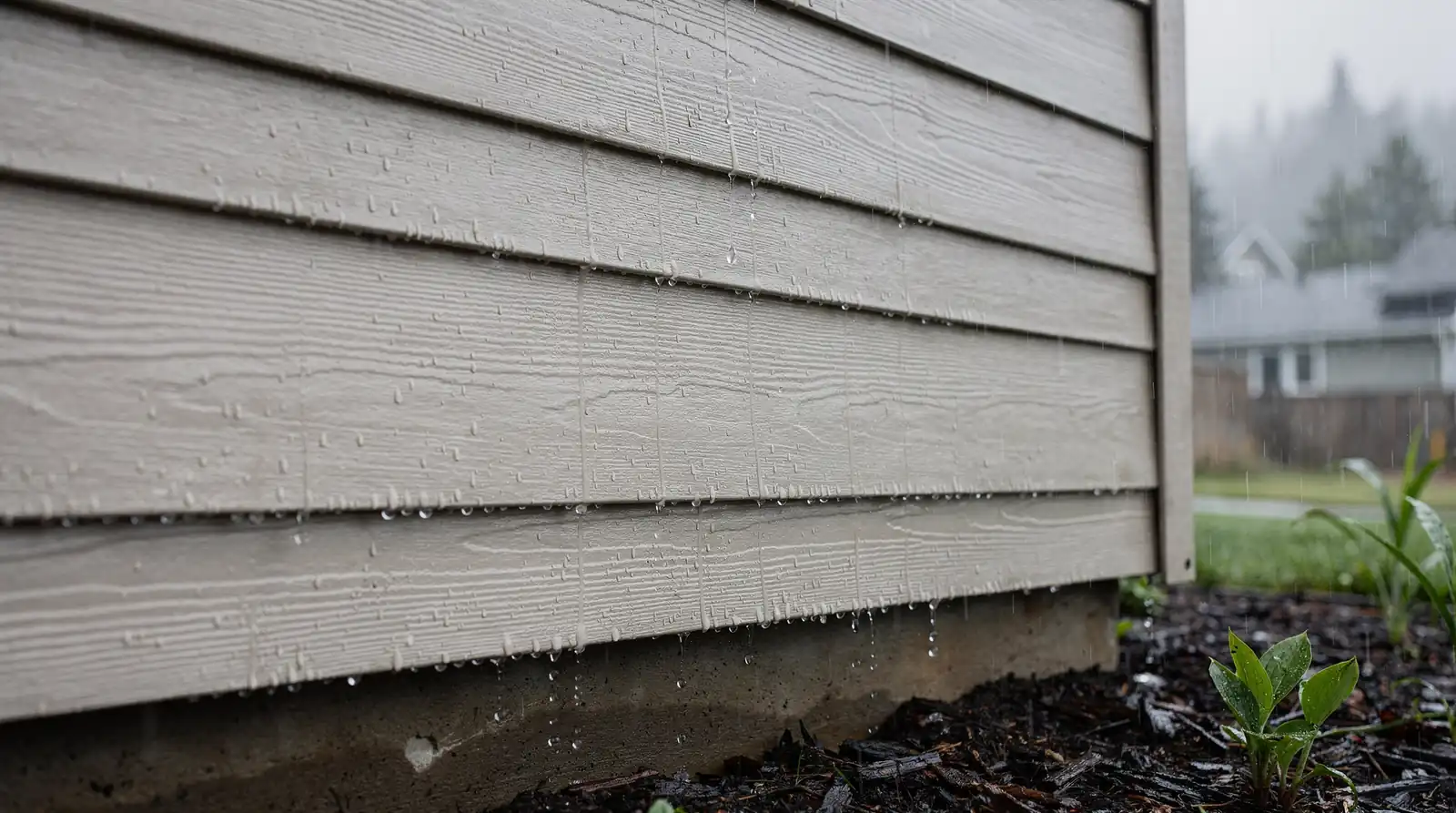
How does HardiePlank resist moisture and rot?
HardiePlank siding resists moisture and rot through its fiber cement composition. The material’s blend of cement, sand, and cellulose fibers creates a surface that water cannot penetrate or degrade.
North Atlanta’s climate presents a constant battle against humidity and seasonal downpours. Siding that absorbs moisture eventually swells, warps, and rots, leaving the home’s framing exposed to costly structural damage. Hardie fiber cement products are engineered to resist water and humidity, standing up to rain, sleet, and snow without compromising their integrity. This performance directly protects the framing from rot, a critical defense that vinyl siding struggles to match in Georgia’s demanding conditions.
What makes fiber cement better at handling moisture than vinyl?
Fiber cement resists moisture, heat, and impact better than vinyl siding. Vinyl can trap water behind its panels when installation gaps or cracks develop, accelerating rot in the underlying wood. HardiePlank’s dense composition prevents water absorption entirely, eliminating the swelling and warping common with wood-based products.
How does moisture resistance protect the rest of the home?
Siding acts as the home’s first barrier against the elements. When that barrier fails, moisture reaches the wall cavity and framing, triggering decay that compromises structural safety. HardiePlank’s ability to withstand moisture keeps the framing dry and intact, avoiding repair costs that escalate quickly once rot takes hold.
For North Atlanta homeowners, the Hardie Plank Siding Advantages extend beyond appearance to long-term structural protection. U.S. Windows & Exteriors provides a relaxed, no-pressure experience focused on integrity and customer satisfaction, ensuring each installation delivers the full moisture-resistant performance the product is engineered to provide.
Does HardiePlank hold up against heat and fire?
HardiePlank fiber cement siding delivers exceptional fire resistance that wood and vinyl cannot match. The material will not ignite when exposed to a direct flame, nor does it contribute fuel to a fire. For North Atlanta homeowners, this performance difference carries real stakes. A siding choice that fails under heat exposes the home’s framing to rapid damage and leaves families with fewer escape minutes during an emergency.
How does HardiePlank compare to wood and vinyl in a fire?
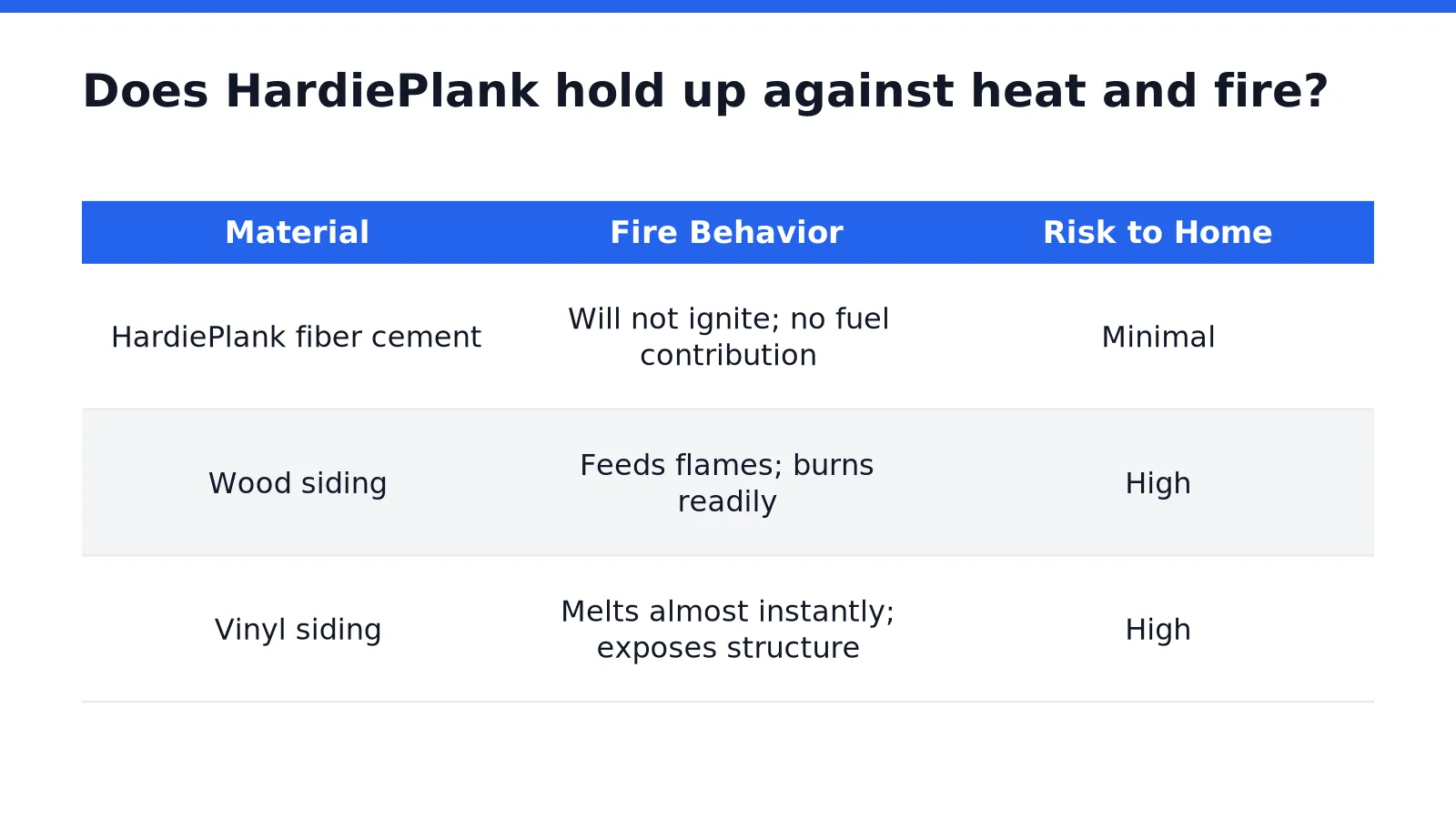
Fire behaves very differently across common siding materials. Hardie fiber cement siding resists ignition completely. Wood feeds flames and accelerates structural compromise. Vinyl melts almost instantly, dripping away and exposing the wall cavity beneath. The table below summarizes these critical differences.
Does heat exposure affect HardiePlank’s appearance over time?
Heat resistance extends beyond fire safety. HardiePlank holds color longer and withstands thermal stress better than vinyl siding. North Atlanta summers subject exteriors to intense UV radiation and sustained high temperatures. Under those conditions, vinyl panels warp, fade, and lose their original look. HardiePlank resists moisture, heat, and impact more effectively while demanding far less upkeep. The Hardie Plank Siding Advantages in thermal performance translate directly into lower maintenance costs and a preserved exterior appearance across years of Georgia heat.
Professional installation matters as much as the material itself. U.S. Windows & Exteriors is fully state-licensed and insured, ensuring every HardiePlank project meets manufacturer specifications for fire-rated performance. Homeowners exploring fiber cement options can review the company’s Hardie Plank siding services for detailed guidance on product selection and installation standards.
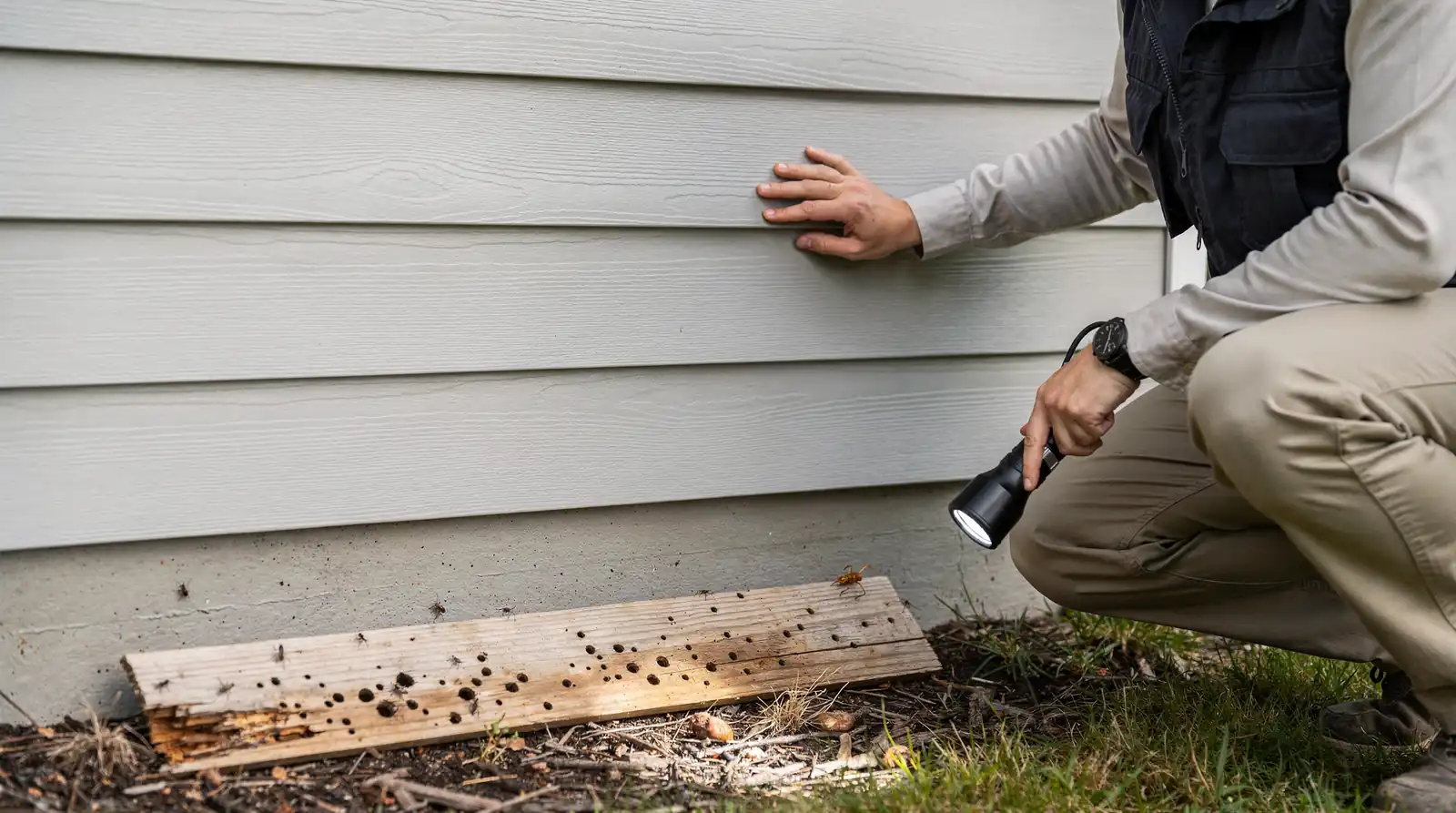
What are the Hardie Plank Siding Advantages for pests?
Hardie Plank siding delivers a decisive pest-resistance advantage for North Atlanta homeowners. The material’s composition actively deters termites and other wood-destroying insects that plague traditional exteriors.
Fiber cement siding from James Hardie holds little appeal for pests. Unlike wood-based siding, Hardie products will not burn and hold no appeal for pests, according to Keystone Siding & Windows. The siding’s core ingredients explain this natural defense. HardiePlank is composed of cement, sand, and cellulose fibers, a blend that creates an inhospitable surface for insects seeking food or nesting material. Termites cannot digest cement and sand. Woodpeckers find nothing worth drilling into. This built-in protection eliminates the ongoing chemical treatments and repair cycles that wood siding demands.
How does Hardie Plank compare to wood siding for pest resistance?
Wood siding provides a food source for termites, carpenter ants, and powder post beetles. Hardie Plank offers no nutritional value to these insects. The difference translates to fewer structural threats and lower maintenance costs over the siding’s lifespan.
Does Hardie Plank siding prevent termite damage in North Atlanta?
North Atlanta’s warm, humid climate creates ideal conditions for termite activity. Homes in Marietta, Roswell, Alpharetta, and Cumming face elevated risk. Hardie Plank’s cement-and-sand composition makes it unappealing to termites and other wood-destroying insects, as Exovations notes. While no siding product guarantees complete termite elimination, fiber cement removes the primary attractant that draws colonies toward a home’s exterior.
U.S. Windows & Exteriors installs Hardie Plank siding across North Atlanta, giving homeowners a durable barrier against the region’s persistent pest pressure. The Hardie Plank Siding Advantages for pest control stem from what the product lacks: anything an insect wants to eat.
Is HardiePlank worth the investment for your home?
HardiePlank siding delivers the classic beauty of wood with exceptional resistance to weather, moisture, pests, and fire. For North Atlanta homeowners weighing replacement options, the investment case rests on durability and long-term protection against the region’s punishing humidity and storm cycles.
The Hardie Plank Siding Advantages extend beyond surface appearance. Fiber cement construction resists rot, insect damage, and flame exposure in ways that wood and vinyl cannot match. A home wrapped in HardiePlank holds its structural integrity through Atlanta’s wet springs and blazing summers without warping or fading.
What makes HardiePlank different from vinyl or wood siding?
HardiePlank combines cement, sand, and cellulose fibers into a dense, non-combustible panel. Vinyl softens under intense heat and cracks in cold snaps. Wood absorbs moisture and invites termites. HardiePlank shrugs off all three threats while keeping the warm, painted look of traditional lap siding.
Does HardiePlank siding add resale value?
The right siding improves curb appeal and adds value at resale. Buyers in North Atlanta recognize fiber cement as a premium exterior material. Homes with HardiePlank present as lower-maintenance and better protected, which translates into stronger offers when listing time arrives.
U.S. Windows & Exteriors brings family-owned experience spanning over 30 years to every HardiePlank installation. The company’s mission, Integrity in Everything We Do, shapes a transparent process from first estimate to final walkthrough. North Atlanta homeowners receive honest guidance on panel selection, color matching, and trim details without high-pressure tactics.
The long-term math favors fiber cement. Replacing siding once with HardiePlank costs less than repeated repairs, repainting, and eventual replacement of lesser materials over a 20-year ownership window.
Conclusion
For North Atlanta homeowners, HardiePlank siding delivers fire resistance, pest protection, and moisture tolerance that wood and vinyl cannot match. The decision comes down to investing once in a durable exterior that holds its appearance through Georgia’s punishing climate. Choosing fiber cement means fewer repairs, lower maintenance, and stronger resale value over the long term.